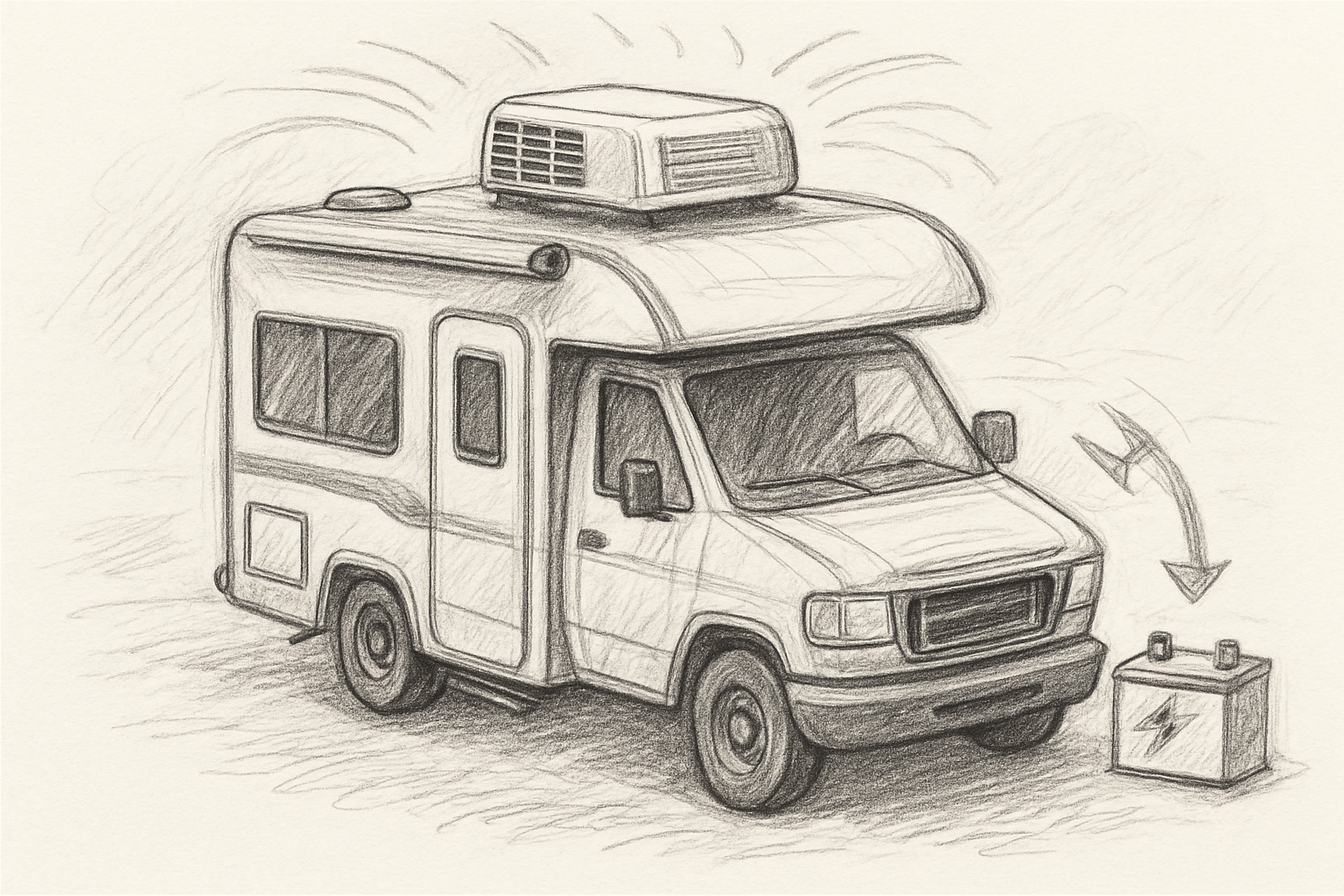
RV Air Conditioners: Everything You Need to Know Before Your Next Trip
Nothing can derail a summer road adventure faster than a sweltering coach. The right RV air conditioner keeps everyone comfortable, protects sensitive electronics, and even helps control humidity inside the rig. Ready to upgrade or replace your unit? Browse our complete collection of RV air conditioners for models that fit every coach and every budget.
How an RV Air Conditioner Works
Most RV A/C systems are rooftop or under-bench heat pumps that remove warm air from inside your living space while cycling cooled, de-humidified air back in. A compressor circulates refrigerant, the condenser dispels heat to the outside, and the evaporator pulls heat from the cabin. A good unit balances BTU output, airflow, and power consumption so you stay cool without tripping the campsite breaker.
Choosing the Right Size (BTU) for Your Rig
- Up to 100 sq ft: 9,000–11,000 BTU
- 100–250 sq ft: 13,500 BTU (the most common size for travel trailers and Class C motorhomes)
- 250 sq ft and larger: 15,000–18,000 BTU or dual units
When in doubt, round up—high desert sun or humid coastal air adds extra load. Insulation, roof color, and window count also affect your cooling needs.
Rooftop vs. Ducted vs. Portable Units
Rooftop Air Conditioners
These units bolt directly to the 14" x 14" standard vent opening and blow cooled air from a ceiling plenum. Newer low-profile designs reduce drag and fit under most parkway height restrictions.
Ducted Systems
Larger fifth wheels and Class A coaches often route A/C output through ceiling ducts. A ducted setup uses a distribution box to send air evenly to multiple rooms, drastically cutting down on hot spots.
Portable & Under-Bench Units
If you have no roof opening, consider a portable or basement air conditioner. They’re quieter but may require external vents or condensate drainage.
Recommended Upgrades
Looking for a quiet, energy-efficient replacement? Check out these staff favorites:
-
Furrion 18K BTU Chill Cube Ducted Air Distribution Box with Remote (R32 Refrigerant)
– Ideal for large fifth wheels that need even airflow and low power draw.

-
Furrion Chill Cube 13.5K Rooftop AC with Single-Zone Wall Thermostat
– A drop-in rooftop replacement that pairs a sleek shroud with precise digital controls.

Installation Tips
- Check roof thickness: Most units accommodate 1.5"–6" roofs; use a conversion kit if yours is outside that range.
- Replace the gasket: A fresh neoprene gasket ensures a watertight seal—never reuse the old one.
- Torque evenly: Tighten mounting bolts in an X-pattern to the manufacturer’s spec to avoid warping the frame.
- Upgrade the wiring: Old 12-gauge runs may not handle high-start compressors; consider 10-gauge for 15 k BTU and larger units.
Maintenance for Maximum Lifespan
A properly maintained RV air conditioner can last 8–15 years. Follow these simple steps:
- Clean or replace return-air filters every 30 days of use.
- Inspect and straighten condenser fins at the start and end of each season.
- Tighten mounting bolts annually—gaskets compress over time.
- Keep voltage steady with a quality surge protector; low voltage causes compressor burnout.
Drive-Day Power Strategies
Running your A/C on the highway? A 3,000- to 3,600-watt inverter generator covers most 13.5 k BTU units. Soft-start modules can drop the startup surge by up to 70%, allowing a smaller generator or even lithium battery banks to keep cool while boondocking.
Final Thoughts
Whether you’re chasing 70° weather or braving the desert heat, the right RV air conditioner turns any campsite into a climate-controlled retreat. Still shopping? Explore our full lineup of RV air conditioners to find the perfect match for your rig.
Frequently Asked Questions About RV Air Conditioners
- How many BTUs do I need for my RV?
- Measure your square footage and consider climate. Small trailers often need 9 k–11 k BTU, while larger fifth wheels may require 15 k BTU or dual units.
- Can I run my rooftop A/C on batteries?
- Yes, but you’ll need a high-capacity lithium battery bank, a 3,000 W pure sine inverter, and a soft-start module to handle compressor surge.
- How often should I replace the air filter?
- Clean or change filters every 30 days of continuous use, or sooner if you camp in dusty environments.
- What causes an RV air conditioner to freeze up?
- Poor airflow from clogged filters, low refrigerant, or running the unit on low fan speed in high humidity can ice the evaporator coil.
- Is R32 refrigerant safe and eco-friendly?
- R32 has a lower global warming potential than R410A and is approved for RV applications. Proper installation and leak checks ensure safety.