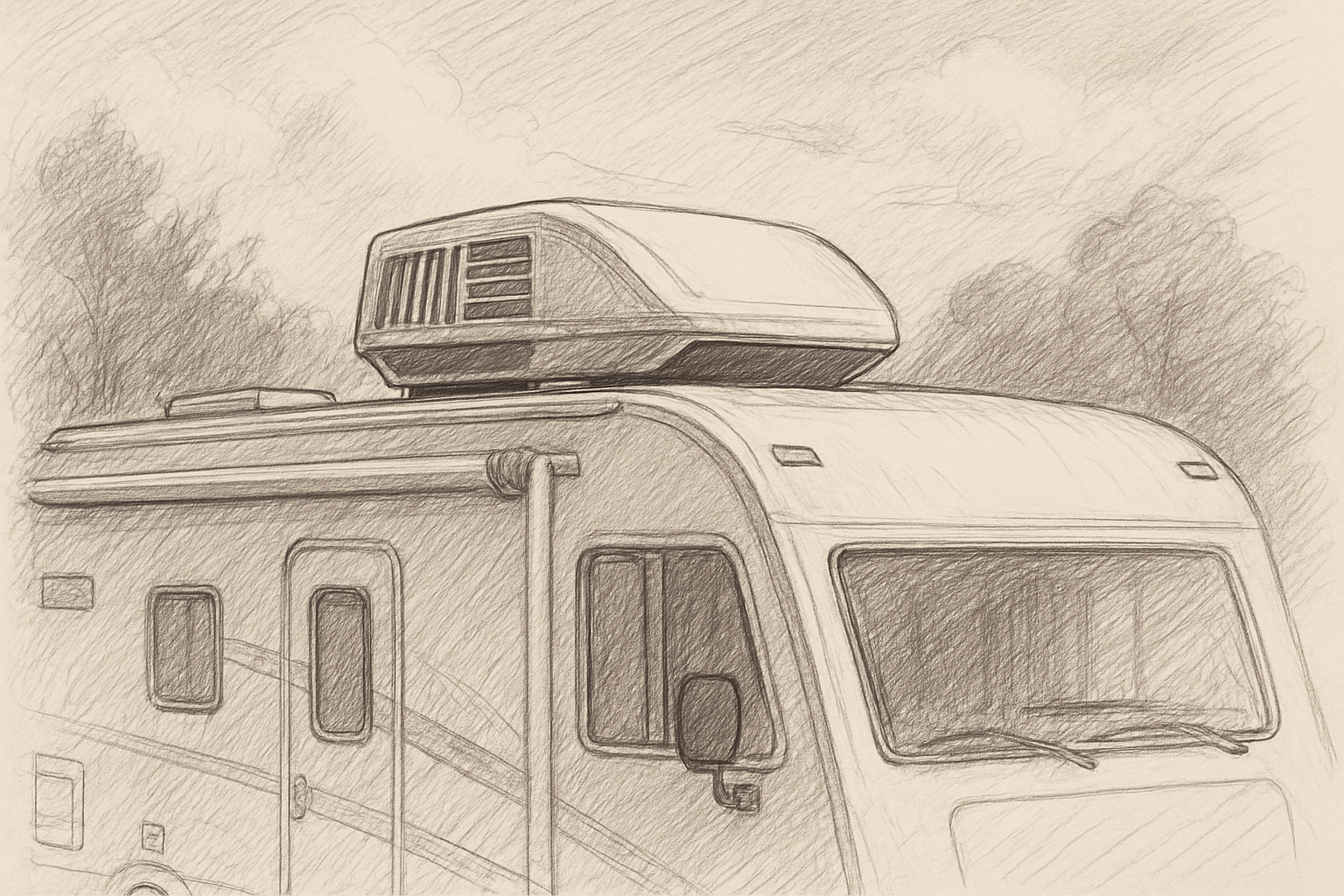
RV Air Conditioner Replacements: Keep Your Rig Comfortable All Year
If your current RV A/C is struggling to keep up with summer heat or winter humidity, it may be time to explore our RV Air Conditioner Replacements collection. The right upgrade will cool faster, run quieter, and use less power—exactly what you need when every amp matters on the road.
Why Replace Your RV Air Conditioner?
- Improved Efficiency: Newer units use refrigerants like R32 that cool more effectively while drawing fewer amps.
- Quieter Operation: Modern fan motors and insulated shrouds dramatically reduce cabin noise.
- Smart Features: Many replacements now come with variable-speed compressors, wireless remotes, and integrated thermostats.
- Reliability: An aging compressor often fails at the worst time—prevent surprise breakdowns by upgrading before the next heat wave.
Signs It’s Time for an Upgrade
Watch for weak airflow, musty odors, frozen evaporator coils, or frequent breaker trips. These are classic symptoms that your RV air conditioner is on its last leg.
Choosing the Right Replacement AC Unit
- BTU Rating: Match the square footage of your coach. Most mid-size RVs need 13.5K–15K BTU, while larger fifth wheels benefit from 18K+ BTU models.
- Ducted vs. Non-Ducted: Ducted systems distribute cool air evenly; non-ducted units blow directly into the cabin. Know which your rig uses before ordering.
- Power Supply: Ensure compatibility with 120 V shore power or an onboard inverter.
- Roof Cut-Out Size: Most rooftop replacements fit the standard 14" × 14" aperture, but measure twice to avoid surprises.
Featured Replacement Options
Below are two popular upgrades that balance cooling power with energy savings:
- Furrion 18K BTU Chill Cube Ducted Distribution Box with Remote (White) – Perfect for ducted setups needing high output and full remote control.
- Furrion Chill Cube Variable-Speed Rooftop AC, 18K BTU, Black – A sleek rooftop unit that uses R32 refrigerant and a variable-speed compressor for whisper-quiet efficiency.
Installation Tips
Replacing an RV air conditioner is often a one-afternoon DIY project. Turn off shore power, remove the old unit, clean the roof surface, and install a fresh gasket before lowering the new A/C into place. Always torque mounting bolts to the manufacturer’s specifications and verify a watertight seal.
Maintenance After Replacement
Even a brand-new unit needs care. Clean or replace air filters every 30 days of use, inspect rooftop seals twice a year, and run the unit on “fan only” mode occasionally to keep ducts dry and mold-free.
Ready to chill? Explore every size, style, and brand in our RV Air Conditioner Replacements collection and find the perfect match for your home on wheels.
Frequently Asked Questions About RV Air Conditioner Replacements
- How long does an RV A/C unit usually last?
- With proper maintenance, most rooftop units last 8–10 years. Factors such as climate, run-time, and roof seal integrity can shorten or extend that lifespan.
- Can I install a higher BTU unit than what came with my RV?
- Yes, as long as your electrical system can handle the amperage and the roof cut-out is compatible. Higher BTU models cool faster but draw more power.
- Is R32 refrigerant better than the older R410A?
- R32 offers superior cooling efficiency and has a lower global warming potential, making it both eco-friendly and cost-effective to run.
- Will a variable-speed compressor really make the A/C quieter?
- Absolutely. Variable-speed systems ramp up and down smoothly, eliminating the loud start-stop cycle of traditional single-speed compressors.
- Do I need to replace my thermostat when I swap out the A/C?
- Not always. Many replacement units are compatible with standard RV thermostats, but upgrading to a digital or smart thermostat can improve comfort and efficiency.